
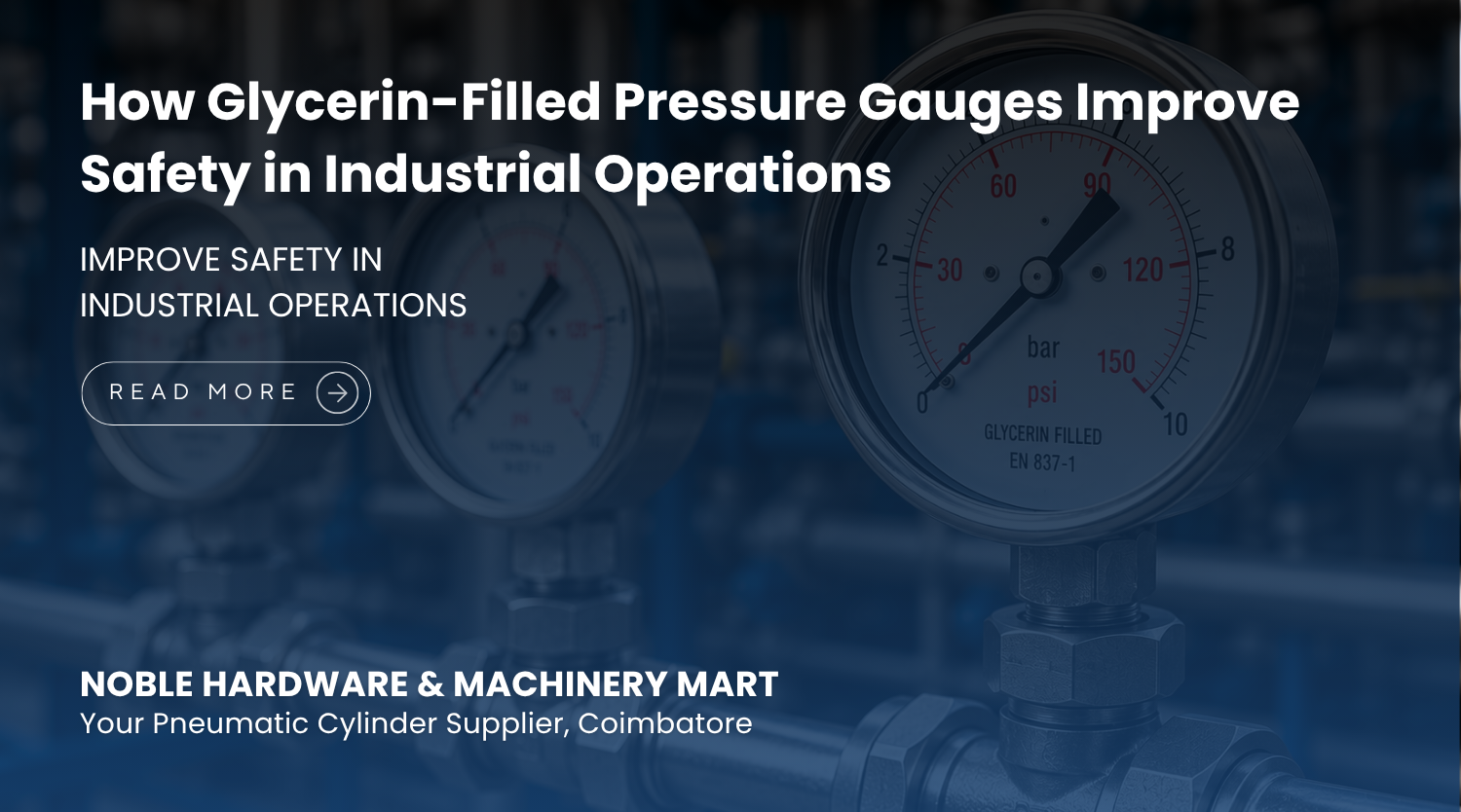
Industrial safety and equipment performance depend heavily on accurate pressure monitoring. Whether used in pneumatic systems, hydraulic machinery, air compressors, or process lines, pressure gauges help operators maintain safe operating conditions and detect pressure variations before they become serious problems.
For industries searching for a glycerin filled pressure gauge, selecting a reliable pressure monitoring solution is an important step toward improving operational efficiency and workplace safety.
Why Choose Glycerin-Filled Pressure Gauges?
A glycerin-filled pressure gauge is a pressure measuring instrument with its casing filled with glycerin. The glycerin acts as a damping fluid that minimizes needle vibration caused by machine movement, pulsating pressure, or continuous equipment operation.
This allows operators to obtain stable, accurate, and easy-to-read pressure measurements, even in demanding industrial environments.
Benefits of Glycerin-Filled Pressure Gauges
1. Improved Pressure Monitoring
Industrial equipment often generates vibration that affects the accuracy of standard pressure gauges. Excessive needle movement can make pressure readings difficult to interpret.
Glycerin-filled pressure gauges reduce needle fluctuation, providing clear and stable readings that help operators monitor system performance more effectively.
2. Protection Against Equipment Damage
Operating machinery outside the recommended pressure range can result in:
- Damaged seals
- Premature component wear
- Pipeline failures
- Equipment breakdown
Accurate pressure monitoring enables early detection of abnormal pressure conditions, allowing maintenance teams to take corrective action before costly failures occur.
3. Enhanced Workplace Safety
Unexpected pressure increases or sudden pressure drops can create hazardous operating conditions.
Reliable pressure monitoring helps operators:
- Detect abnormal pressure conditions
- Prevent pressure-related failures
- Improve machine reliability
- Support safer industrial operations
As a result, glycerin-filled pressure gauges contribute to both equipment protection and workplace safety.
Designed for Industrial Environments
Industrial facilities frequently expose equipment to:
- Continuous vibration
- Dust and contaminants
- Moisture
- Temperature fluctuations
Glycerin-filled pressure gauges are specifically designed to perform reliably under these challenging conditions. Their sealed construction protects internal components, while the glycerin minimizes internal wear caused by vibration.
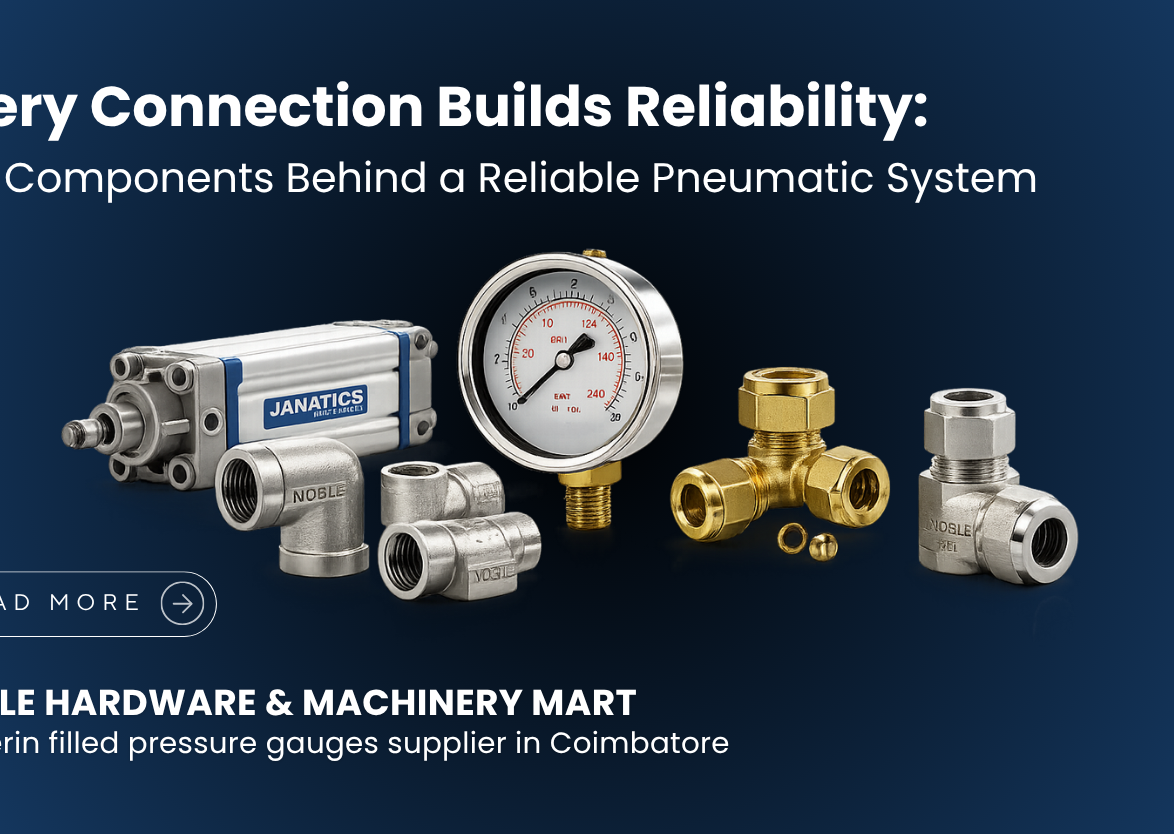
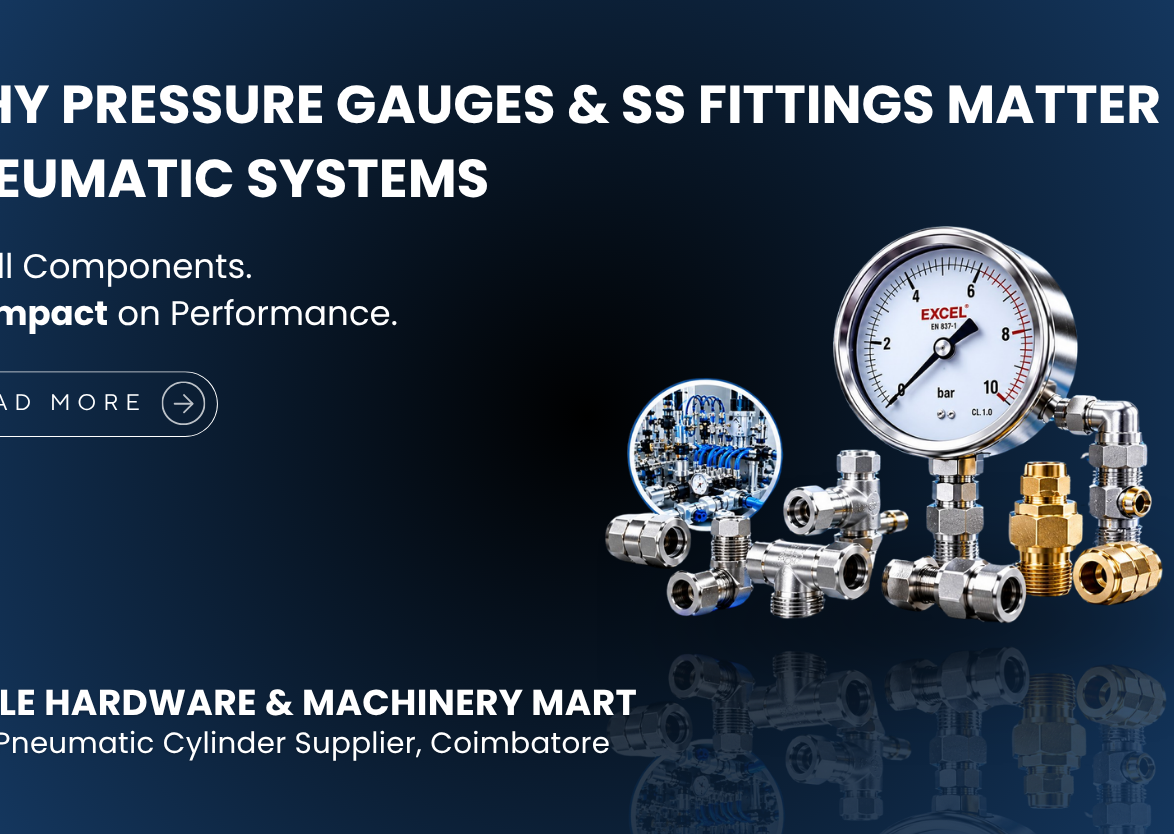
Many industrial systems also use components supplied by SS Investment casting/ IC fittings to ensure durable, corrosion-resistant, and leak-proof connections.
Compatible with Multiple Industrial Applications
Glycerin-filled pressure gauges are widely used in:
- Pneumatic systems
- Hydraulic systems
- Air compressors
- Textile machinery
- Food processing plants
- Pharmaceutical industries
- Chemical processing units
- Manufacturing and automation systems
These applications often incorporate products from SS304 compression fittings along with solutions offered by Brass compression tube fittings to maintain secure tube connections and consistent pressure throughout the system.
Key Advantages
Using glycerin-filled pressure gauges offers several operational benefits:
- Stable and accurate pressure readings
- Reduced needle vibration
- Longer equipment life
- Lower maintenance requirements
- Improved machine reliability
- Better operator safety
- Enhanced system efficiency
Conclusion
Pressure monitoring is an essential part of every industrial operation. Although pressure gauges are relatively small components, they play a significant role in maintaining equipment reliability, improving workplace safety, and supporting efficient system performance.
Glycerin-filled pressure gauges provide stable, vibration-resistant, and accurate pressure readings that help industries prevent equipment failure, reduce maintenance costs, and improve operational efficiency. Investing in quality pressure monitoring solutions contributes to long-term productivity, safer working environments, and dependable industrial performance.
Leave a Comment
Your email address will not be published. Required fields are marked *